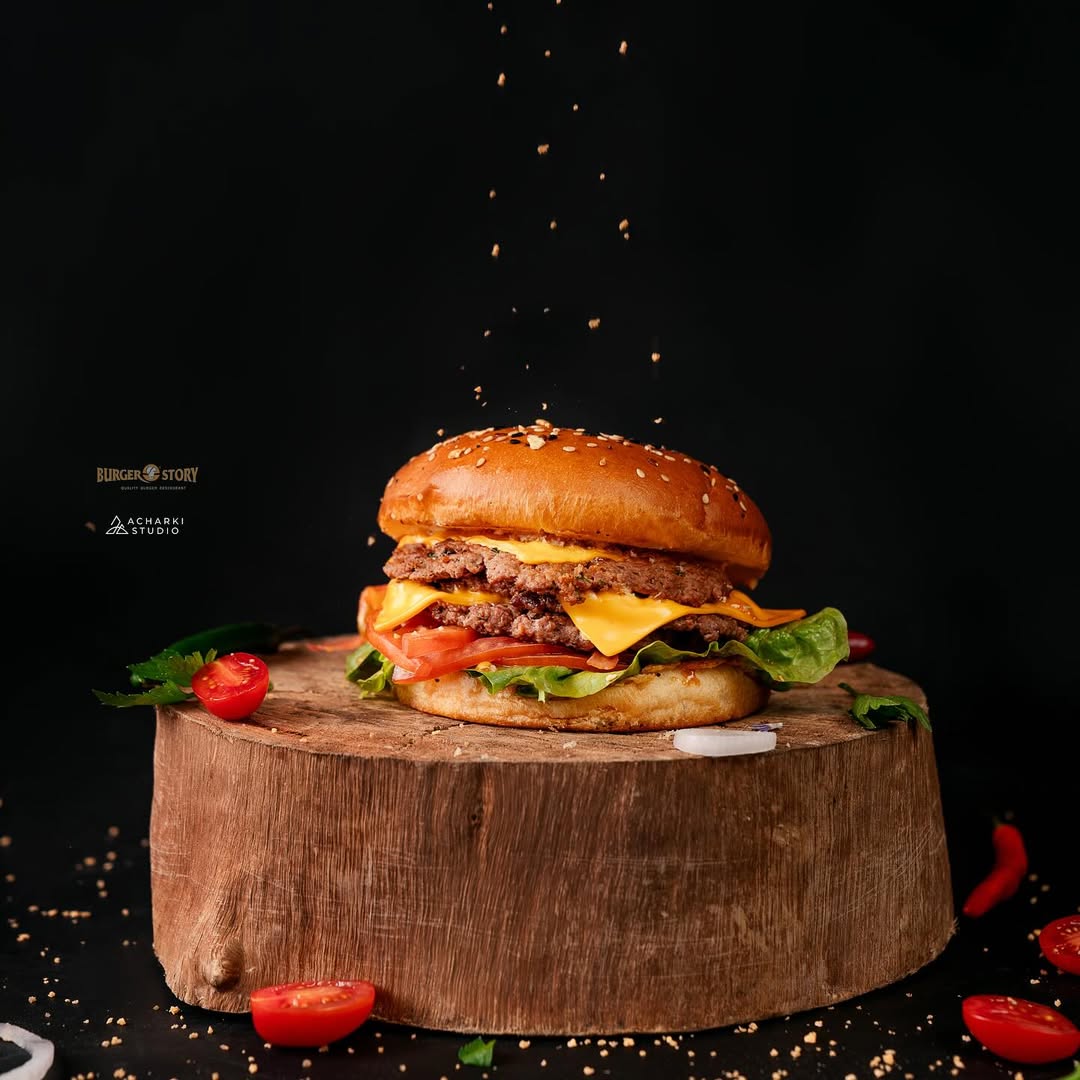
Food Photography Tips for Restaurants and Culinary Brands
Professional food photography tips for restaurants. Learn lighting, composition, and styling techniques to make your dishes irresistible.
The Power of Visual Appeal in Food Marketing
In today's digital age, food photography has become crucial for restaurants and culinary brands. Whether you're posting on social media, updating your menu, or creating marketing materials, high-quality food photography can significantly impact your business success.
Why Professional Food Photography Matters
Studies show that customers make dining decisions based on visual appeal. A well-photographed dish can increase orders by up to 30%. Professional food photography isn't just about making food look good—it's about creating desire, conveying quality, and building your brand identity.
Essential Lighting Techniques
Natural Light is Your Best Friend: Whenever possible, photograph food near a window with soft, diffused natural light. Avoid direct sunlight which creates harsh shadows. The best time is during golden hour or on overcast days.
Side Lighting for Depth: Position your light source at a 45-degree angle to create dimension and highlight textures. This works beautifully for burgers, sandwiches, and layered dishes.
Backlight for Beverages: When shooting drinks and transparent items, backlighting creates a beautiful glow and highlights clarity.
Composition and Styling Tips
- The Rule of Thirds: Position your main subject slightly off-center for more dynamic compositions
- Overhead Shots (Flat Lay): Perfect for showing multiple items, table settings, or circular plates
- 45-Degree Angle: Most versatile angle, works for most dishes and shows both height and detail
- Hero Ingredient: Always highlight the star of your dish—the juicy patty, fresh herbs, or melted cheese
- Props and Context: Use simple, complementary props that enhance without distracting
Technical Settings for Food Photography
Aperture: Use f/2.8 to f/5.6 for shallow depth of field, keeping the hero element sharp while softly blurring the background.
White Balance: Shoot in RAW and adjust white balance in post-processing for accurate colors. Food should look natural and appetizing.
Shoot Fresh: Food looks best when it's just prepared. Have everything ready before the dish comes out of the kitchen.
Post-Processing for Mouthwatering Results
Enhance colors subtly, increase contrast slightly, and sharpen details. The goal is to make food look even better than in person while maintaining realism. Avoid over-saturation that makes food look artificial.
Building Your Culinary Brand
At Acharki Studio, we specialize in food photography that drives sales. We understand restaurant workflows, work quickly to capture food at its peak, and deliver images that make customers hungry. Our food photography has helped numerous restaurants and culinary brands stand out in competitive markets.